
Favorite Tools For Sewage System Repairs You Should Know About
Uncover essential tools and supplies that make sewage system repairs straightforward and efficient.
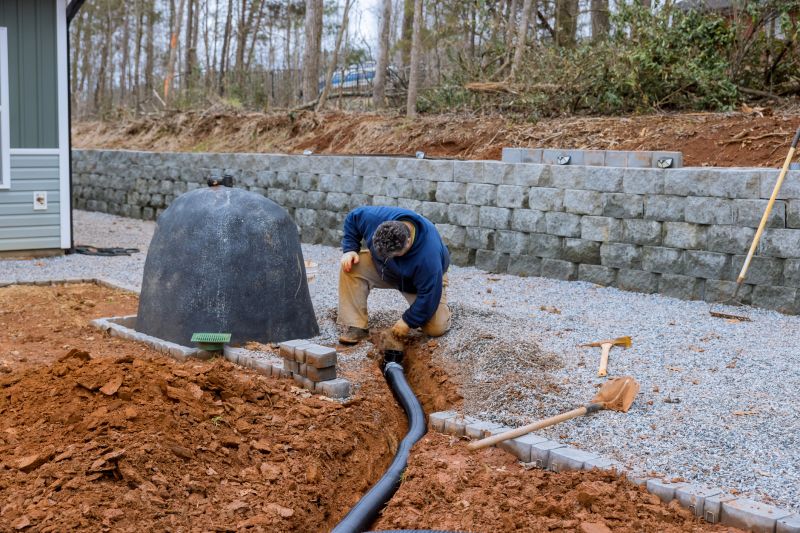 Maintaining a functional sewage system is essential for any residential or commercial property. When issues arise such as clogs, leaks, or pipe deterioration, having the right repair products on hand can facilitate effective and timely fixes. These products range from simple sealants to advanced pipe replacement systems, each designed to address specific problems within the sewage infrastructure. Selecting appropriate repair materials requires understanding the nature of the issue, the material of the existing pipes, and the scope of the repair needed.
Top Overall Option
Comprehensive Sewage Pipe Repair Kit
A versatile repair kit that includes a variety of sealants, couplings, and pipe liners designed to address multiple types of sewage system issues. This all-in-one solution offers a practical approach for both minor repairs and more extensive pipe rehabilitation, providing users with the necessary tools and materials to manage common sewage system challenges efficiently.
Types of Products For Sewage System Repairs
Pipe Sealants and Epoxies
Used to seal leaks and cracks in pipes, these products provide quick, effective patches for minor damages.
Pipe Repair Clamps
Clamp devices that can be applied directly over damaged sections to stop leaks and reinforce pipe integrity.
Pipe Relining Systems
Non-invasive methods that insert a resin-lined liner into existing pipes to restore flow and structural integrity.
Couplings and Connectors
Fittings used to connect or repair sections of pipe, ensuring a secure and leak-proof join.
Pipe Replacement Sections
Pre-cut pipe segments designed to replace damaged sections, compatible with various pipe materials and sizes.
Hydraulic Jacks and Lifting Equipment
Tools used to lift and realign pipes during repair or replacement work, especially in buried or difficult-to-access areas.
Inspection Cameras
Video devices that help diagnose issues within the sewage system before selecting repair methods.
Hydro Jetting Equipment
High-pressure water tools that clear blockages and clean pipes to facilitate repairs.
Pipe Cutting and Removal Tools
Specialized tools for safely cutting and removing damaged pipe sections during repairs.
Flexible Repair Tape
Temporary or semi-permanent repair tape designed to seal leaks quickly around pipes.
Grouting and Encapsulation Materials
Materials used to fill voids or reinforce pipe joints and surrounding areas.
Drain Cleaning Snakes
Handheld or motorized tools used to clear obstructions within pipes and facilitate repairs.
Corrosion Inhibitors
Chemical products that protect pipes from further corrosion and deterioration.
Temporary Pipe Supports
Devices used to hold pipes in place during repair or replacement work, ensuring stability.
Sealing Gaskets and Rings
Components that ensure tight seals at pipe joints and connections, preventing leaks.
Popular Choices
Widely used for quick sealing around leaks and cracks, offering ease of application.
Commonly selected for immediate leak control on damaged pipes.
Popular for clearing stubborn blockages and maintaining pipe flow.
Frequently used tools for removing obstructions and preparing pipes for repair.
Essential for diagnosing issues deep within sewage systems before repairs.
Commonly chosen for restoring or extending pipe sections securely.
Popular for sealing small cracks and reinforcing pipe surfaces.
Convenient options for replacing damaged pipe segments quickly.
Often used for quick fixes on leaks and minor cracks in pipes.
Useful for stabilizing pipes during repair procedures.
Selected for protecting pipes from further deterioration in harsh conditions.
A go-to solution for fast and temporary sealing needs.
For minor leaks or cracks, sealants and patching compounds can provide a quick fix. These products are typically easy to apply and cure rapidly, making them suitable for emergency repairs. In cases of more extensive damage, pipe liners and relining systems offer a non-invasive alternative to traditional excavation, allowing for pipe restoration without digging up the entire system. Such solutions can extend the lifespan of existing pipes and improve flow efficiency.
When dealing with severely damaged or corroded pipes, replacement sections or couplings are often necessary. These components are designed to fit seamlessly into existing pipelines, restoring proper function. For larger projects, comprehensive repair kits that include multiple components and tools can streamline the process, ensuring compatibility and reducing the need for multiple purchases. Proper selection of these products depends on understanding the pipe material, size, and the nature of the damage.
Overall, investing in quality repair products tailored to sewage system needs can help prevent future issues, reduce repair time, and minimize disruption. Consulting with plumbing professionals or suppliers can provide additional insights into the most suitable solutions for specific circumstances, ensuring a durable and effective repair process.
Key Buying Considerations
- Identify the specific problem within the sewage system to select the most appropriate product.
- Determine the pipe material (PVC, cast iron, clay, etc.) to ensure compatibility with repair products.
- Measure pipe diameter accurately for selecting correctly sized fittings, couplings, and liners.
- Assess whether a temporary or permanent repair solution is needed based on the severity of the damage.
- Consider ease of application, especially for DIY repairs, to ensure proper usage without specialized tools.
- Check product compatibility with existing pipe conditions, such as corrosion or buildup.
- Review the curing or drying time to plan repairs effectively and minimize system downtime.
- Evaluate the durability and longevity of repair materials to ensure long-term effectiveness.
- Verify if the product is suitable for underground or buried pipes, which may require specialized tools or materials.
- Consider the environmental conditions, such as moisture levels and soil type, that could affect repair success.
- Look for products that come with clear instructions and safety guidelines for proper application.
- Assess the availability of replacement parts or additional components for future repairs.
- Determine if professional assistance is recommended or required for complex repairs.
- Review customer feedback and product ratings to gauge reliability and performance.
- Ensure the repair products meet relevant safety standards and certifications.
This page contains affiliate links. We may earn a commission from qualifying purchases, which helps support our content and services.