Leach Lines Installation in Denver, CO
Leach line installation services involve setting up underground drainage systems that carry wastewater away from a property when a home’s existing sewer connection is unavailable or unsuitable. These systems are commonly used in new construction, property expansions, or areas where municipal sewer lines are not accessible. Property owners typically want to understand the scope of the installation process, including the placement of the leach lines, the type of materials used, and how the system will integrate with existing plumbing. Clarifying these details helps ensure the system functions properly and meets local codes and regulations.
Before requesting leach line installation, property owners should consider factors such as soil conditions, property size, and the intended use of the system. It’s also helpful to understand any necessary permits or inspections required by local authorities. Proper planning can prevent potential issues related to drainage, odor, or system failure, making it easier to select the most appropriate solution for the property’s specific needs. Contacting a professional for guidance can help determine the best approach and ensure the installation is completed correctly.
Many property owners in Denver, CO look into Leach Lines Installation for repairs, replacements, upgrades, and appearance-related improvements.
Leach Line Replacement
Replacing aging or damaged leach lines to ensure proper drainage and prevent property issues.
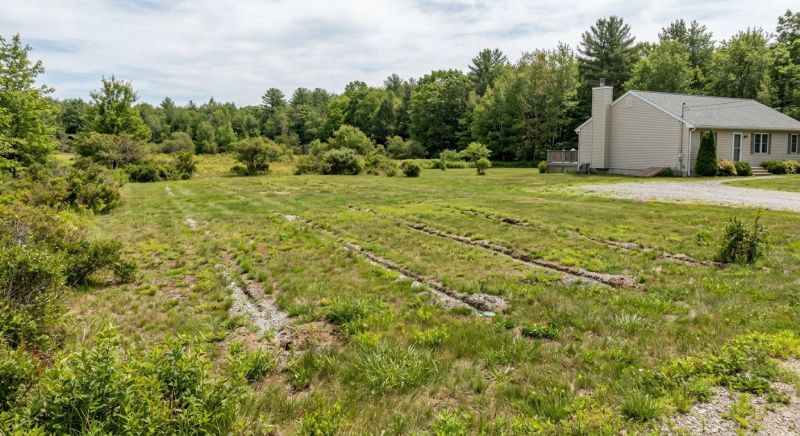
Leach Field Installation
Designing and installing new leach fields to support effective septic system operation.
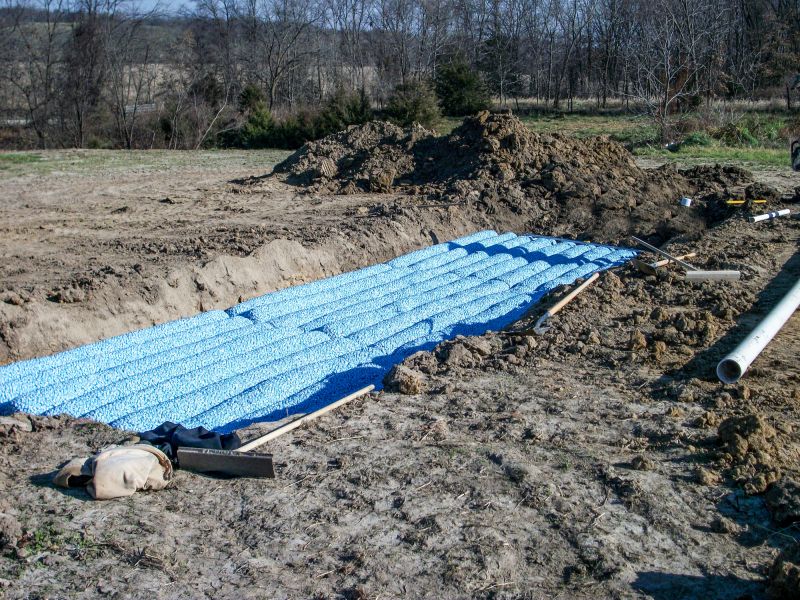
Leach Line Maintenance
Inspecting and maintaining leach lines to avoid clogs and ensure long-term functionality in denver area properties.
Leach Lines Installation in Denver, CO

Leach line installation services involve setting up underground drainage systems that carry wastewater away from a property when a home’s existing sewer connection is unavailable or unsuitable. These systems are commonly used in new construction, property expansions, or areas where municipal sewer lines are not accessible. Property owners typically want to understand the scope of the installation process, including the placement of the leach lines, the type of materials used, and how the system will integrate with existing plumbing. Clarifying these details helps ensure the system functions properly and meets local codes and regulations.
Before requesting leach line installation, property owners should consider factors such as soil conditions, property size, and the intended use of the system. It’s also helpful to understand any necessary permits or inspections required by local authorities. Proper planning can prevent potential issues related to drainage, odor, or system failure, making it easier to select the most appropriate solution for the property’s specific needs. Contacting a professional for guidance can help determine the best approach and ensure the installation is completed correctly.
Many property owners in Denver, CO look into Leach Lines Installation for repairs, replacements, upgrades, and appearance-related improvements.
Common Leach Lines Installation Jobs
Leach line installation involves setting up underground drain lines to manage wastewater from septic systems.
Septic system upgrades include replacing or extending leach lines to improve drainage efficiency.
Leach field repairs address issues like clogs or saturated soil that hinder proper wastewater absorption.
Leach line replacement involves removing old or damaged lines and installing new ones to ensure proper function.
Drain field design focuses on planning the layout of leach lines for optimal wastewater dispersal.
Soil testing and assessment help determine the best location and configuration for leach line installation.
Leach Lines Installation Questions
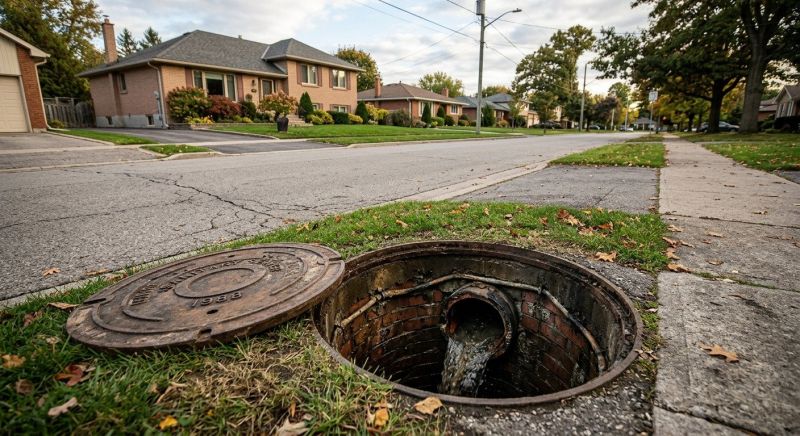
What are leach lines used for? Leach lines are part of a septic system that disperses treated wastewater into the soil, helping with proper drainage and wastewater management.
How do I know if my leach lines need replacement? Signs include slow draining fixtures, foul odors, or standing water near the drain field, indicating potential issues with the leach lines.
Can leach lines be installed in any soil type? Leach lines work best in well-draining soils; unsuitable soil types may require different septic system solutions.
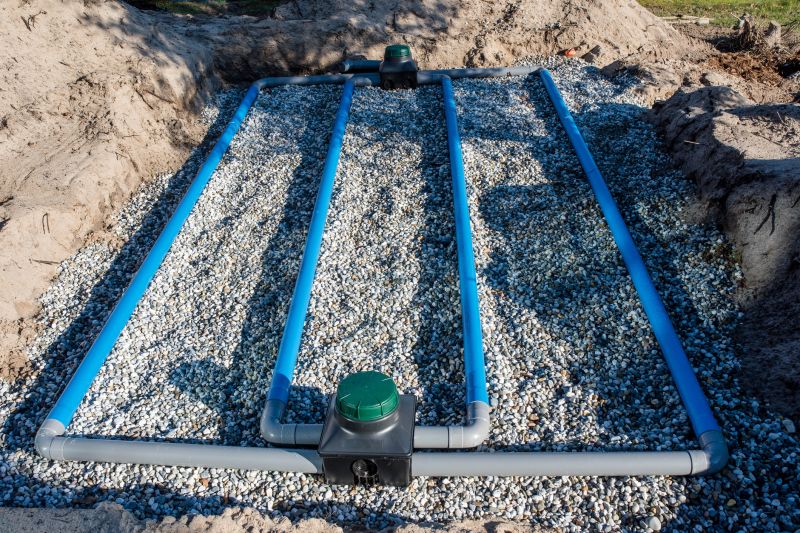
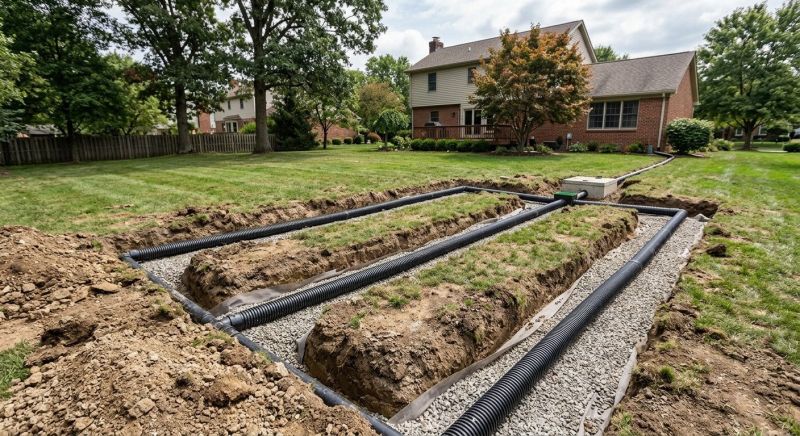
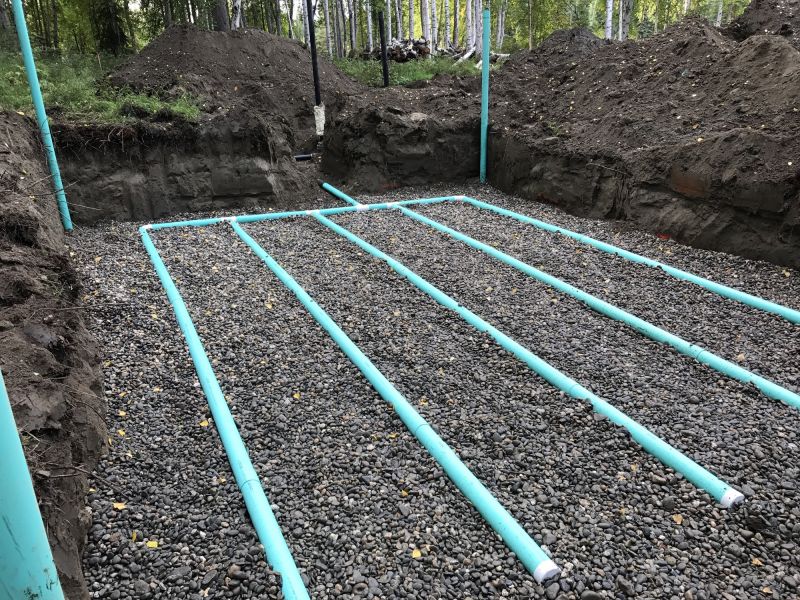
What is involved in leach line installation? Installation typically involves excavating the drain field area, laying perforated pipes, and covering them with gravel and soil for proper filtration.
Request Leach Lines Installation in Denver, CO
Use the quote form on this page to share the basics of your project and request more information for the type of work you need.