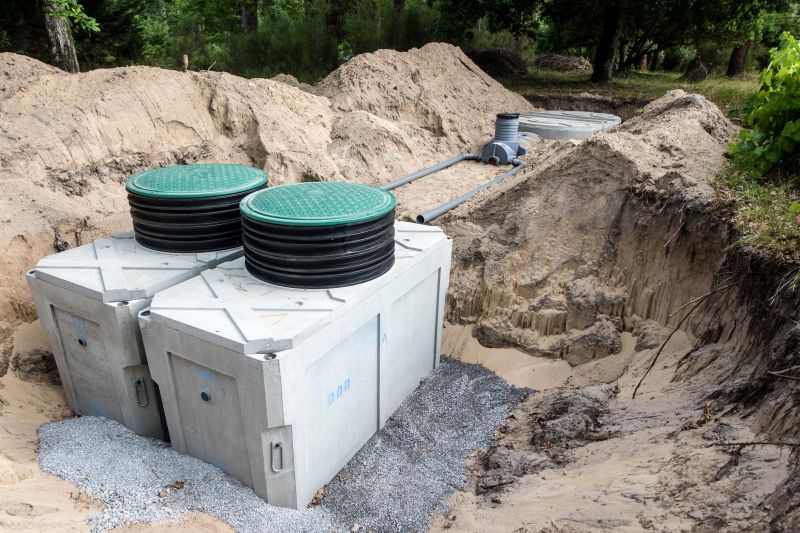
Septic System Relocation in Denver, CO
Septic system relocation services involve moving an existing septic tank and associated components to a different area of a property. This type of project is often requested when a homeowner plans to build a new structure, modify the landscape, or improve access for maintenance. The process typically includes assessing the property’s soil and drainage conditions, designing an appropriate new location, and carefully excavating and reinstalling the septic system to ensure proper function and compliance with local regulations. Property owners should understand the scope of work involved, potential site restrictions, and the importance of proper planning to avoid future issues.
Before requesting septic system relocation, property owners usually want to know about the feasibility of moving an existing system, including any limitations posed by soil conditions, property size, or local codes. It’s also helpful to understand the steps involved, such as permits, site assessments, and the timeline for completion. Clarifying these details can ensure a smooth process and help determine if a relocation aligns with the property’s future plans or zoning requirements.
Many property owners in Denver, CO look into Septic System Relocation for repairs, replacements, upgrades, and appearance-related improvements.
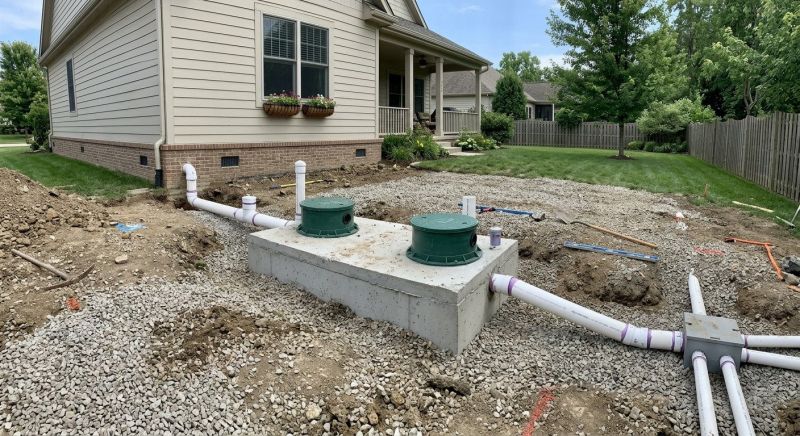
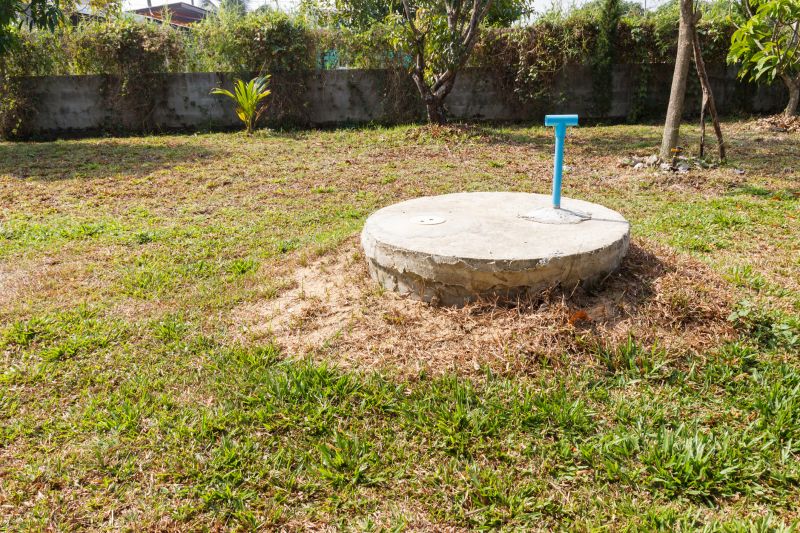
Septic System Relocation Planning
Proper planning ensures the new location meets property and code requirements.
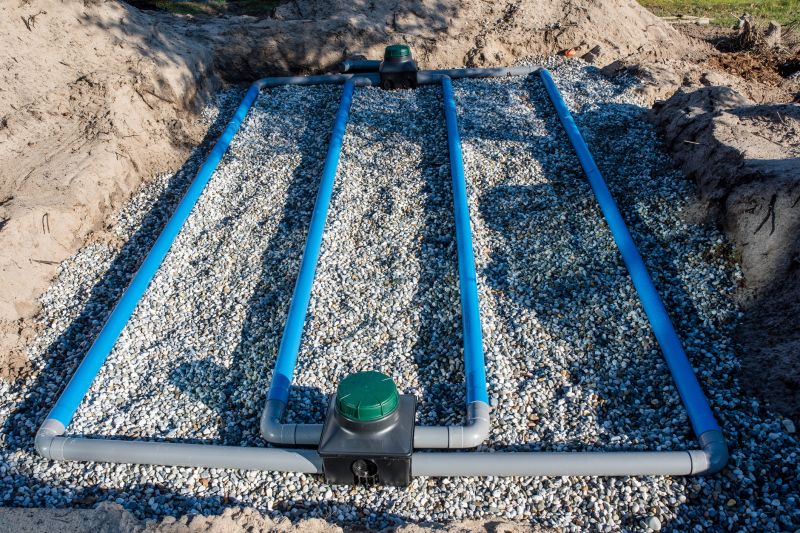
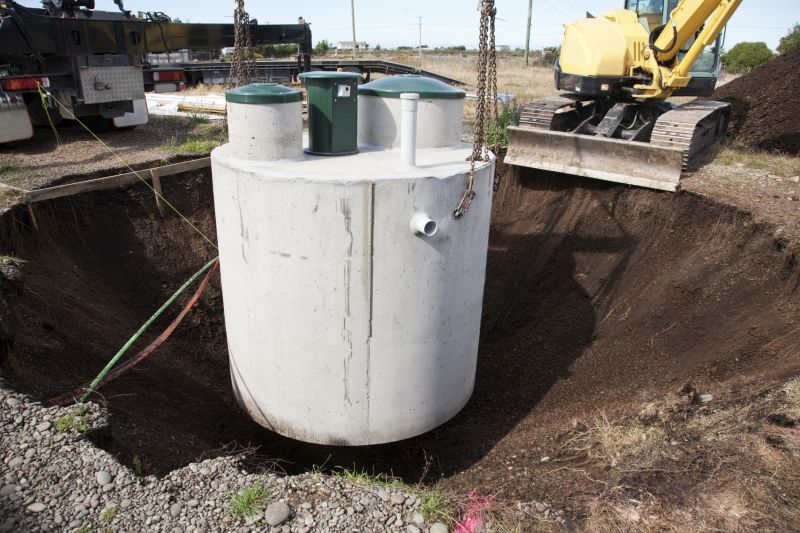
Site Preparation And Excavation
Preparing the site involves excavation and ensuring proper access for the relocation process.
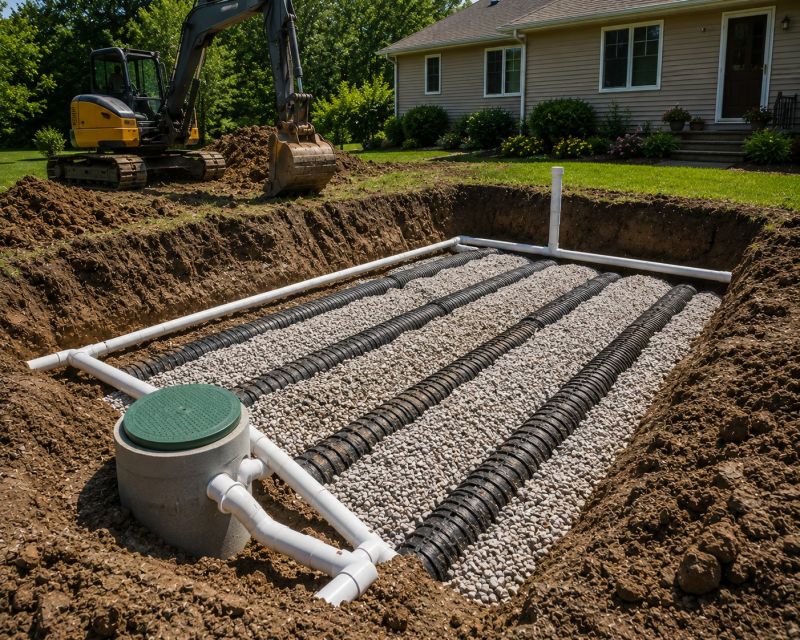
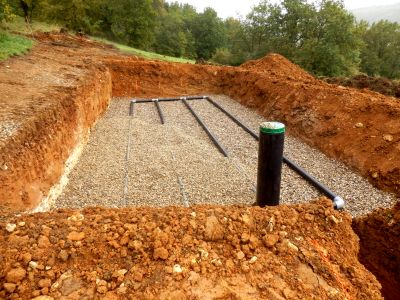
Installation And System Testing
The new septic system is installed and tested to ensure reliable operation on denver properties.
Septic System Relocation in Denver, CO

Septic system relocation services involve moving an existing septic tank and associated components to a different area of a property. This type of project is often requested when a homeowner plans to build a new structure, modify the landscape, or improve access for maintenance. The process typically includes assessing the property’s soil and drainage conditions, designing an appropriate new location, and carefully excavating and reinstalling the septic system to ensure proper function and compliance with local regulations. Property owners should understand the scope of work involved, potential site restrictions, and the importance of proper planning to avoid future issues.
Before requesting septic system relocation, property owners usually want to know about the feasibility of moving an existing system, including any limitations posed by soil conditions, property size, or local codes. It’s also helpful to understand the steps involved, such as permits, site assessments, and the timeline for completion. Clarifying these details can ensure a smooth process and help determine if a relocation aligns with the property’s future plans or zoning requirements.
Many property owners in Denver, CO look into Septic System Relocation for repairs, replacements, upgrades, and appearance-related improvements.
Common Septic System Relocation Jobs
Septic system relocation involves moving an existing septic system to a different area of the property.
Septic system replacement includes removing an outdated or damaged system and installing a new one in a new location.
Site assessment services evaluate property conditions to determine the best new location for a septic system.
Drainfield relocation involves shifting the drainfield to optimize system performance and meet local regulations.
Septic system expansion includes relocating existing components to accommodate property development or improvements.
Permitting assistance helps navigate local codes and obtain necessary approvals for septic system moves.
Septic System Relocation Questions
What is involved in relocating a septic system? The process includes assessing the site, excavating the existing system, and installing it in a new location with proper connections and backfill.
When should a septic system be relocated? Relocation may be needed due to property development, drainage issues, or changes in property layout.
Are there restrictions on where a septic system can be moved? Yes, local regulations and property zoning may influence the feasible locations for system relocation.
What property considerations are important for septic system relocation? Sufficient space, proper access for installation equipment, and suitable soil conditions are key factors.
Request Septic System Relocation in Denver, CO
Use the quote form on this page to share the basics of your project and request more information for the type of work you need.