Sewer Replacement in Denver, CO
Sewer replacement services involve removing and installing underground sewer lines that carry wastewater away from a property. This type of project is typically needed when existing sewer lines are damaged, cracked, collapsed, or showing signs of significant wear that could lead to leaks or backups. Property owners may request sewer replacement if they experience persistent drain issues, foul odors, or frequent backups that do not resolve with routine repairs. The process often includes excavating the affected area, removing the old pipe, and installing a new, durable sewer line designed to meet current standards.
Before requesting sewer replacement, property owners usually want to understand the scope of the project, including the condition of existing sewer lines and the potential impact on landscaping or driveways. It’s important to consider the location of the sewer line, accessibility, and any necessary permits or inspections required by local regulations. Proper planning can help ensure the replacement is completed efficiently and minimizes disruption to the property. Consulting with a professional can provide guidance on the best approach based on the specific needs of the property.
Many property owners in Denver, CO look into Sewer Replacement for repairs, replacements, upgrades, and appearance-related improvements.
Signs You Need Sewer Replacement
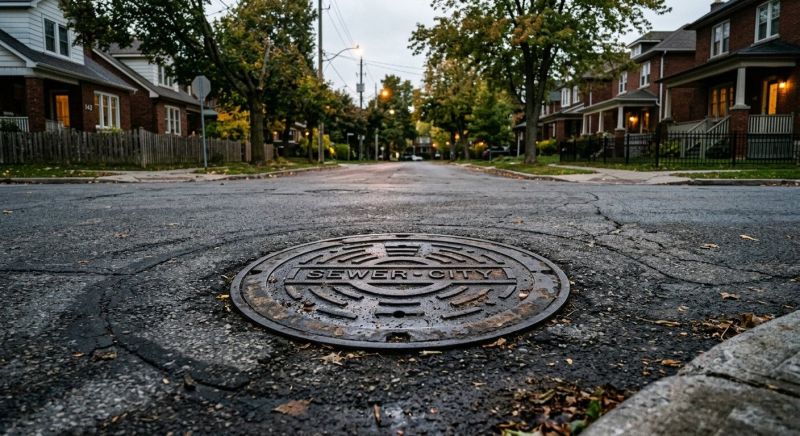
Persistent backups, foul odors, or slow drains may indicate sewer line issues requiring replacement.
Types Of Sewer Replacement Methods
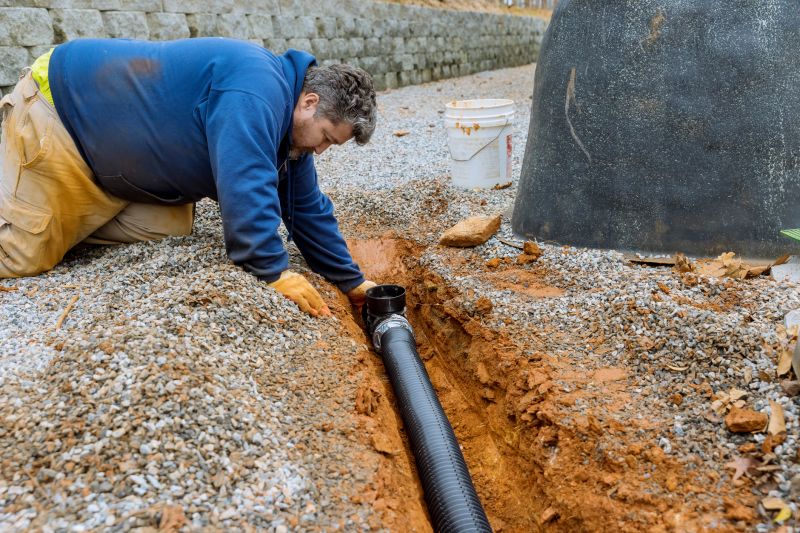
Options include traditional pipe replacement and trenchless methods to minimize property disruption.
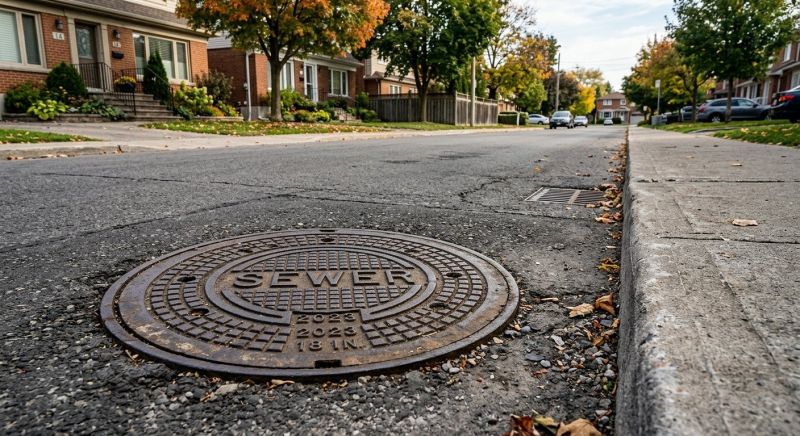
Benefits Of Professional Sewer Replacement
Replacing aging or damaged sewer lines can improve drainage and prevent costly repairs for homeowners in denver and nearby areas.
Sewer Replacement in Denver, CO

Sewer replacement services involve removing and installing underground sewer lines that carry wastewater away from a property. This type of project is typically needed when existing sewer lines are damaged, cracked, collapsed, or showing signs of significant wear that could lead to leaks or backups. Property owners may request sewer replacement if they experience persistent drain issues, foul odors, or frequent backups that do not resolve with routine repairs. The process often includes excavating the affected area, removing the old pipe, and installing a new, durable sewer line designed to meet current standards.
Before requesting sewer replacement, property owners usually want to understand the scope of the project, including the condition of existing sewer lines and the potential impact on landscaping or driveways. It’s important to consider the location of the sewer line, accessibility, and any necessary permits or inspections required by local regulations. Proper planning can help ensure the replacement is completed efficiently and minimizes disruption to the property. Consulting with a professional can provide guidance on the best approach based on the specific needs of the property.
Many property owners in Denver, CO look into Sewer Replacement for repairs, replacements, upgrades, and appearance-related improvements.
Common Sewer Replacement Jobs
Sewer Replacement - involves removing and replacing aging or damaged sewer lines to ensure proper waste flow.
Full Sewer Line Replacement - replaces entire sewer lines that are severely deteriorated or broken.
Trenchless Sewer Replacement - uses minimally invasive methods to replace sewer pipes without extensive digging.
Sectional Sewer Replacement - replaces specific sections of sewer pipe that are damaged or blocked.
Emergency Sewer Replacement - addresses urgent sewer issues caused by collapses or major leaks promptly.
Sewer Line Repair and Replacement - restores or replaces sewer lines to prevent backups and maintain sanitation.
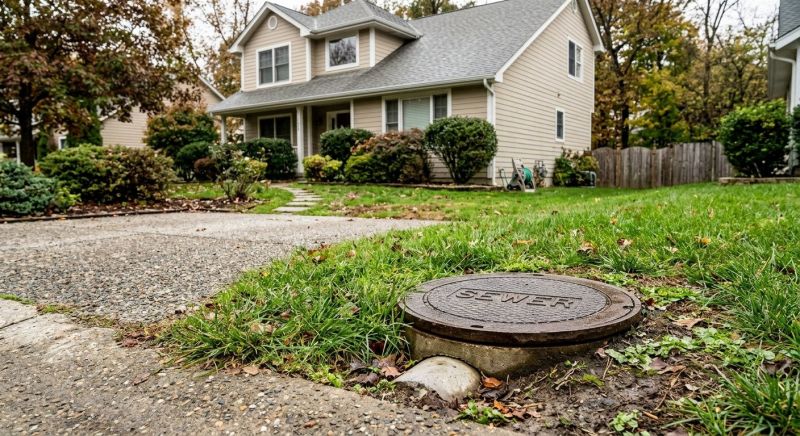
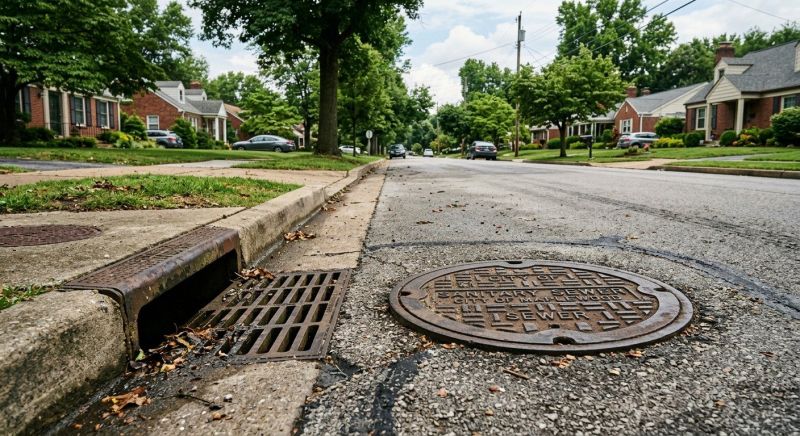
Sewer Replacement Questions
What are signs that sewer replacement is needed? Signs include persistent clogs, foul odors, soggy spots in the yard, or sewage backups in drains.
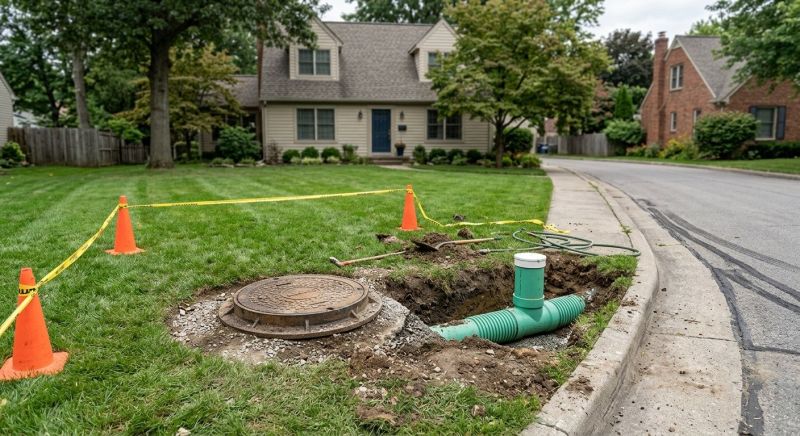
How is a sewer replacement performed? The process involves removing the old pipe and installing a new one, often using trenchless methods to minimize disruption.
What types of sewer pipes are commonly used? Common options include PVC, cast iron, and clay pipes, chosen based on property conditions and local standards.
Is sewer replacement necessary for all pipe issues? Not always; minor repairs can sometimes address problems, but extensive damage typically requires full replacement.
Request Sewer Replacement in Denver, CO
Use the quote form on this page to share the basics of your project and request more information for the type of work you need.